
A well-tailored suit is often seen as the final step in dressing well. The fit is right, the fabric is chosen, and the silhouette is clean. Yet many men stop there, assuming the suit alone does the heavy lifting. In reality, it is the accessories that determine whether a suit looks merely acceptable or truly considered.
Accessories don’t exist to decorate a suit. They exist to give it direction. They quietly communicate intent, formality, and attention to detail—often before a word is spoken. When done right, they disappear into the overall look, leaving behind an impression of effortlessness and confidence.
Accessories Shape First Impressions More Than You Realise
Most people may not know whether your suit is bespoke or off-the-rack, unless it’s from C. Armani Tailors (Hahaha…). What they will notice is whether the outfit feels coherent. Accessories play a significant role in shaping that perception.
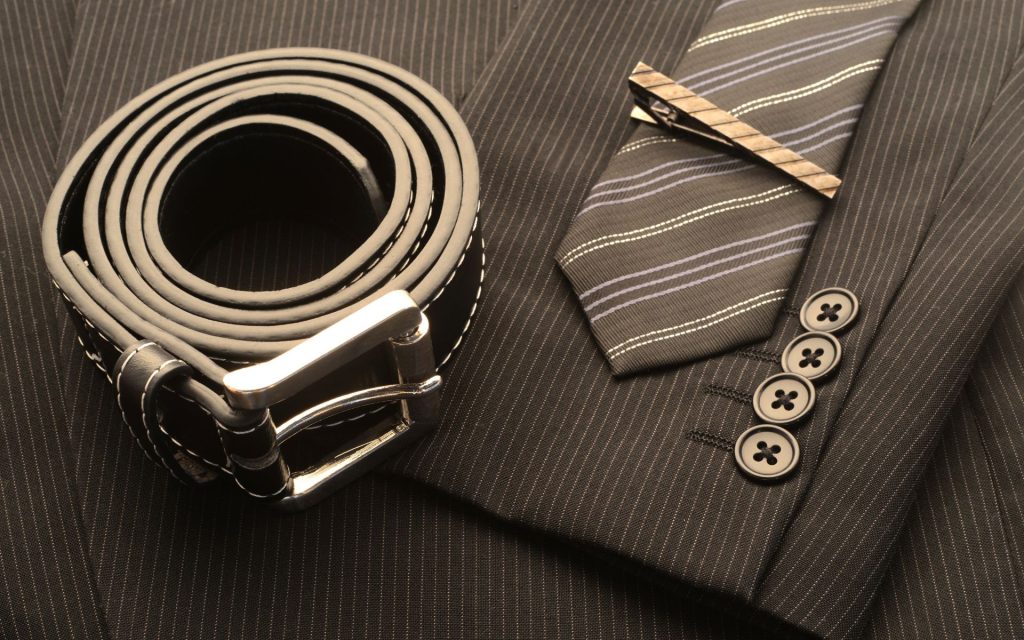
A tie immediately sets the tone. Its width, texture, and colour influence how formal or relaxed the suit feels. A pocket square, though small, affects balance across the chest. Shoes anchor the entire outfit, while belts, watches, and cufflinks quietly reinforce consistency.
When accessories are mismatched or overlooked, even a beautifully tailored suit can feel incomplete. When they are aligned, the suit looks intentional—like every choice has a reason behind it.
One Suit, Many Settings: The Role of Accessories
One of the quiet strengths of a C. Armani’s bespoke suit is its ability to adapt. When a suit is cut properly and proportioned to the wearer, accessories become the deciding factor in how it performs across different settings.
In professional environments, restrained accessories reinforce structure and credibility. A clean tie, an understated pocket square, and polished leather shoes allow the lines of a bespoke suit to speak clearly. The result feels composed, authoritative, and appropriate without appearing rigid.
For weddings or evening occasions, subtle adjustments change the tone entirely. Introducing texture through a tie, softening the pocket square, or shifting to a different shoe finish brings warmth and character to the same suit. The tailoring remains constant, but the expression becomes more relaxed and celebratory.
This kind of versatility is especially valuable for men who favour a well-curated wardrobe over excess. With the right foundation, one bespoke suit can move confidently between professional and formal settings. For a closer look at how a single suit can serve both roles, Can One Suit Work for Both Work and Weddings? explores this balance in greater detail.
Proportion and Balance: The Quiet Function of Accessories
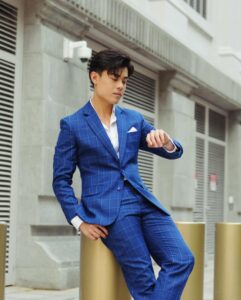
Accessories don’t just add interest; they help regulate proportion. This is especially important in tailored clothing, where balance is what makes a suit flattering.
A tie that is too wide or too narrow can disrupt the relationship between lapels and shoulders. A pocket square that is overly bulky can make the chest look crowded. Even the size of a watch can throw off the proportions of the sleeve.
When accessories are chosen with scale in mind, they support the suit’s structure instead of competing with it. The result is a look that feels natural and cohesive, even if the viewer can’t pinpoint why.
Accessories as Signals of Formality
Formality is rarely dictated by the suit alone. Two identical suits can feel entirely different depending on the details surrounding them.
Smooth silk ties, crisp pocket squares, and highly polished shoes elevate formality. Textured ties, softer folds, and matte finishes relax it. These distinctions matter because wearing something too formal—or not formal enough—can feel just as uncomfortable as a poorly fitted suit.
Understanding how accessories influence formality allows you to dress appropriately without constantly changing your core wardrobe. It’s a subtle skill, but one that pays off over time.
The Difference Between Decoration and Intention
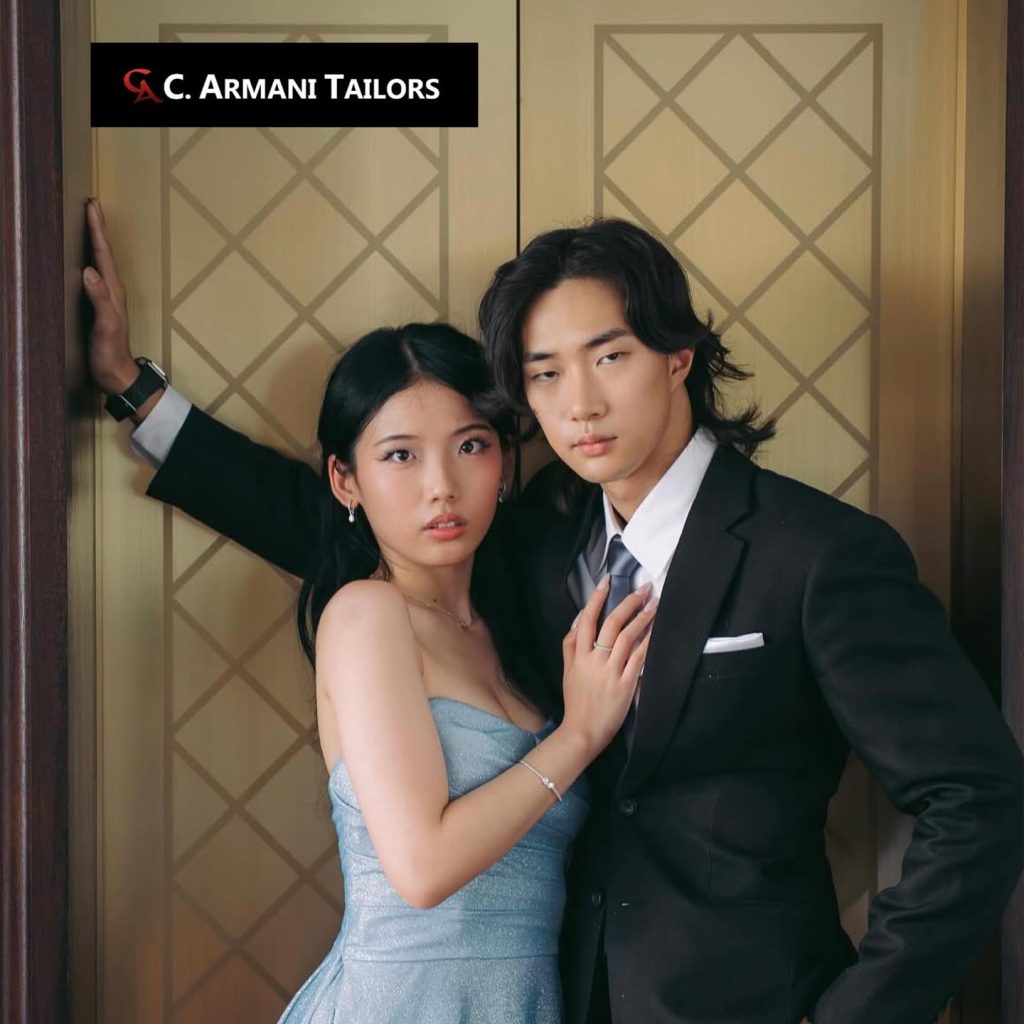
One common mistake is treating accessories as statements rather than supports. Loud patterns, excessive colour contrast, or too many elements competing for attention can overwhelm the suit.
Good accessorising is rarely noticeable. It works in the background, reinforcing the suit rather than drawing attention to itself. When someone notices your accessories before they notice you, the balance is usually off.
Intentional accessorising asks a simple question: What is this piece doing for the outfit?
If the answer isn’t clear—balance, formality, cohesion—it probably doesn’t belong.
Why Accessories Matter for Tailor-Made Suits
Custom suits are about intention. They’re made to fit you—your frame, your posture, your preferences. Accessories continue that narrative. Each one should feel curated, never random. When done right, they don’t distract—they enhance.
The modern gentleman doesn’t dress loudly; he dresses accurately.
Cohesion Across Materials and Finishes
Accessories are also where material choices quietly come together. Leather tones, metal finishes, and fabric textures should speak the same visual language.
Brown shoes paired with a black belt introduce unnecessary tension. A silver watch with gold cufflinks creates visual noise. These details may seem minor, but together they affect how refined the outfit feels.
Cohesion doesn’t require everything to match perfectly. It requires consistency. When accessories relate to one another—even subtly—the suit looks composed rather than assembled.
Why Accessories Matter More in Tailored Clothing
In tailored clothing, every detail is more visible. Clean lines and precise fit leave little room to hide inconsistencies. Accessories that might go unnoticed with casual wear stand out immediately against a structured suit.
This is why bespoke and custom suits benefit most from thoughtful accessorising. The suit provides a strong foundation, and accessories complete the picture. Without them, the look can feel unfinished despite the quality of the tailoring.
Bringing It All Together
Suit accessories matter because they bridge the gap between fit and finish. They turn tailoring into styling. They allow one suit to serve many purposes and help you present yourself appropriately without excess.
When chosen with restraint and intention, accessories fade into the background—doing exactly what they are meant to do. For a more detailed breakdown of how individual pieces like ties and pocket squares work together, you may find Accessorizing Your Custom Suit: Ties, Pocket Squares, and More a useful next read.
From first-time clients to seasoned professionals, every consultation is an experience in craftsmanship and care. If you would to find out more, please visit our Bespoke Suits for Men or simply head over to our gallery to view more of our master piece.

0 Comments